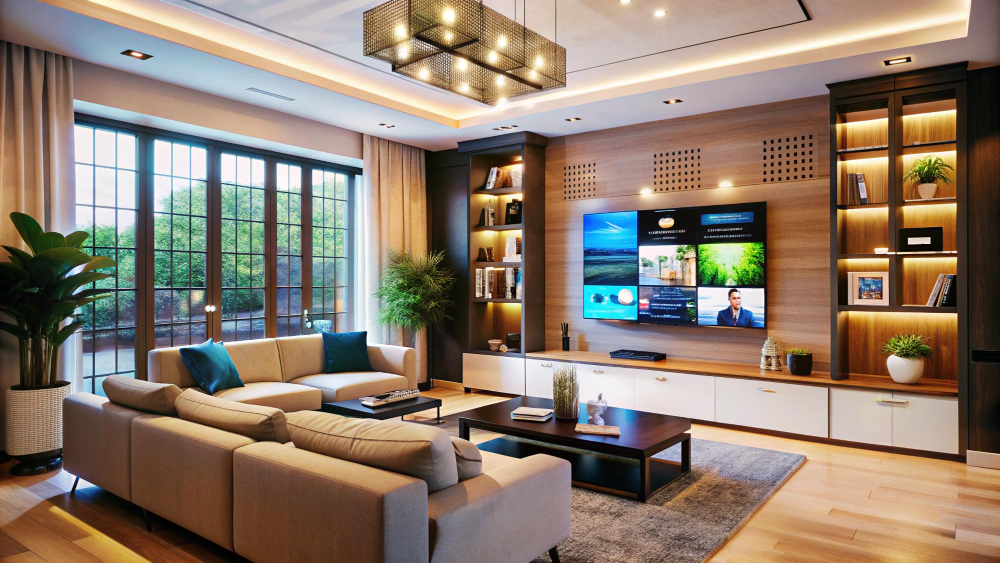
Commercial Interior Designers: Transforming Business Spaces into Powerful Brand Experiences
Today’s commercial business world includes more than just creating four walls with furniture; they create a brand and show values while maintaining an image of professionalism for your customers. The interior commercial design has become critical to a business’s overall success when choosing an interior commercial designer. The interior commercial design can impact your customers’ experiences while supporting your employees’ productivity and overall growth of your business, whether it is through an office, restaurant, retail store, or corporate location.
Understanding the value of hiring an experienced commercial designer is very important for anyone who wants to upgrade or develop a new commercial space.
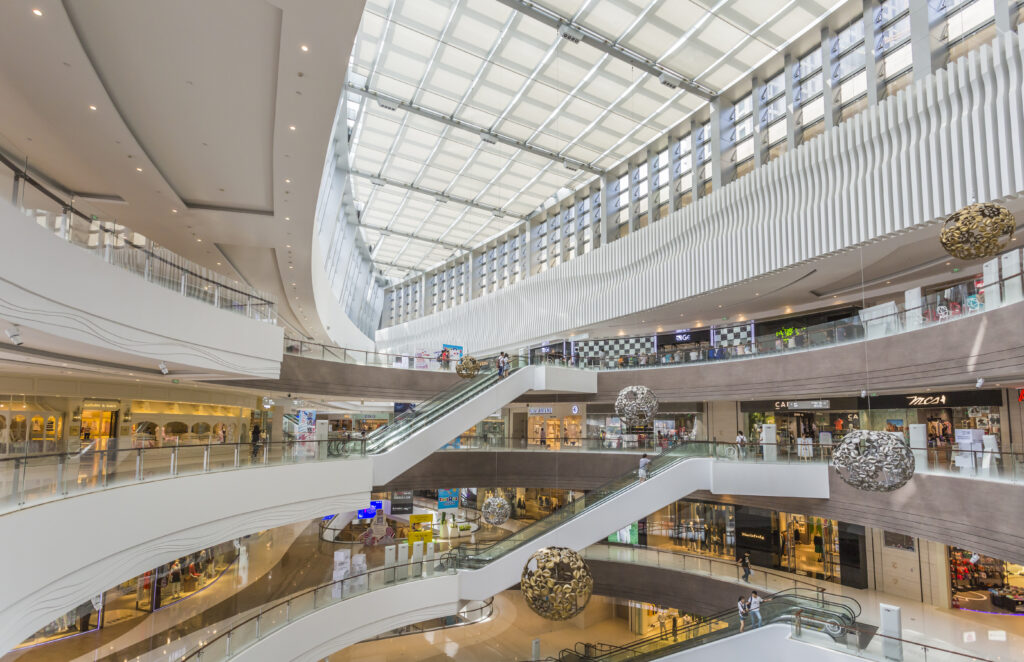
Why Commercial Interior Designers Matter
Commercial interior designers are really good at making offices and stores look nice and work well. They make sure the space is used in a way so people can move around easily and do their jobs efficiently. Commercial interior designers also think about how customers will feel in the space and make sure it is safe. They want to make sure the business space will last for a time. Commercial interior designers do a lot more than just make a space look nice they also have to think about how it will function and how it will affect the people who use it. Commercial interior designers are different, from people who design homes because commercial spaces have needs.
A well-designed commercial space:
Improves employee productivity
Enhances customer engagement
Strengthens brand identity
Increases property value
Creates a memorable first impression
Businesses that invest in professional design don’t just decorate — they build environments that support business goals.
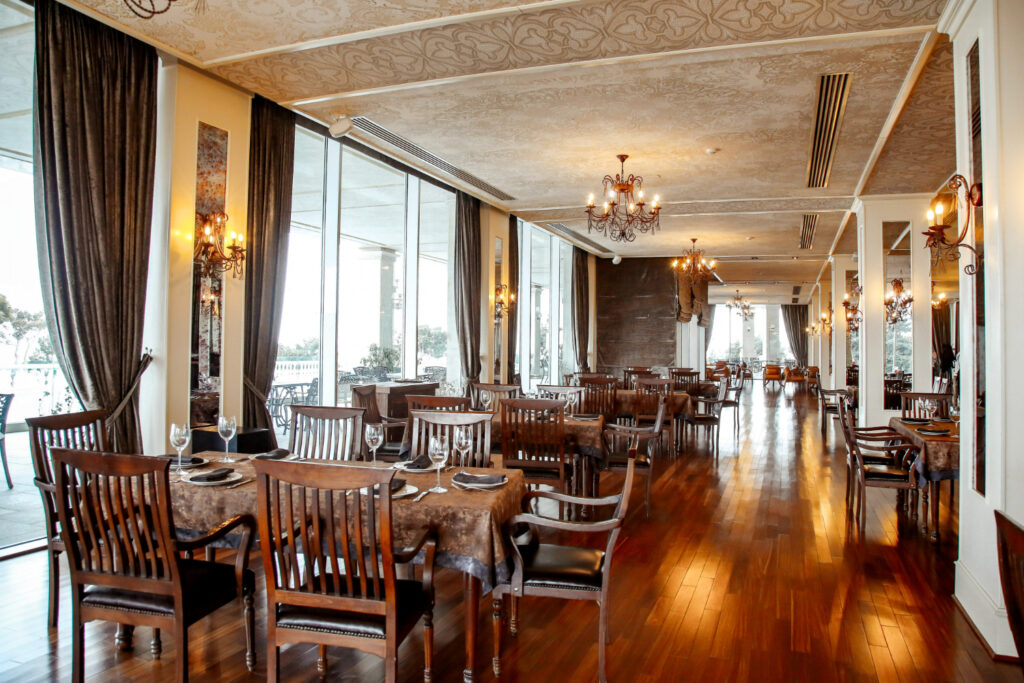
Restaurant Interior Design: Designing Experiences, Not Just Dining Areas
In the hospitality industry the atmosphere is really important. The way a restaurant looks inside can affect how people stay how much money they spend and if they come back.
Professional commercial interior designers focus on:
Smart seating layouts for maximum capacity without crowding
Lighting design that enhances mood and food presentation
Acoustic planning for comfortable conversations
Brand-based color psychology
For example luxury fine-dining restaurants use lighting and really nice textures to make people feel special. They want people to feel like they are, in a place. On the hand modern cafés have open spaces and fun corners that people like to take pictures of. This is because modern cafés want to attract people. A restaurant that is designed in a way does not just serve food to people who go there. The luxury fine-dining restaurants and modern cafés sell people an experience when they go to eat at these places.
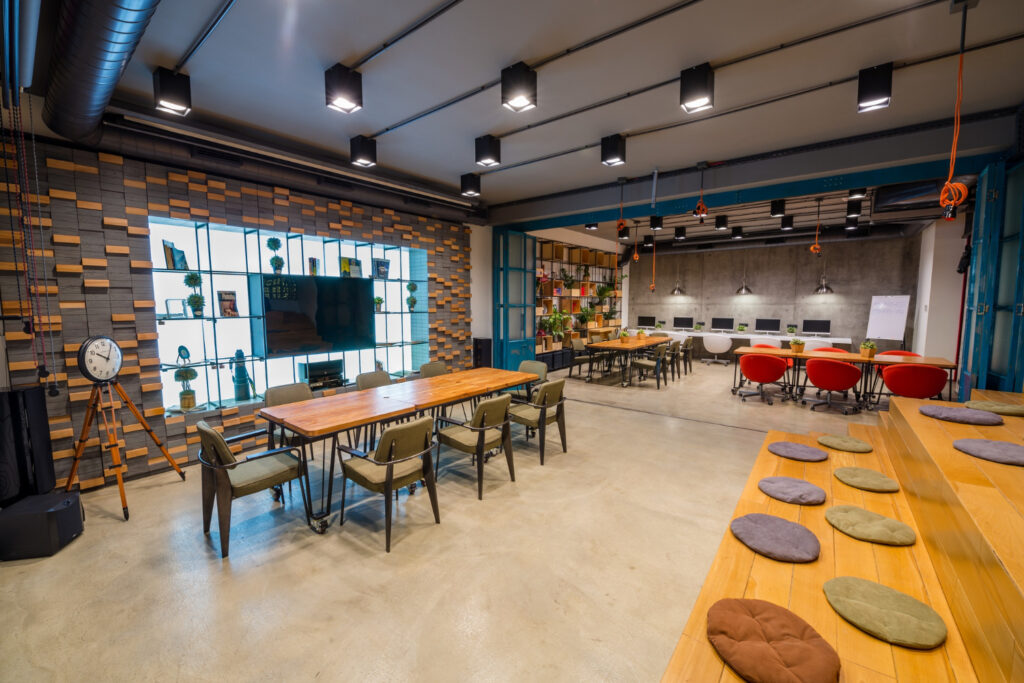
Office Interior Designer: Boosting Productivity and Brand Image
A professional office interior designer understands that workspace design affects employee performance, mental well-being, and company culture.
Modern office design trends include:
Open collaborative zones
Smart storage solutions
Ergonomic furniture
Biophilic elements (plants and natural light)
Flexible meeting spaces
The goal is not just visual appeal but productivity enhancement. Companies are now moving away from dull cubicles and focusing on collaborative, comfortable, and tech-integrated spaces.
A well-designed office:
Reduces employee stress
Improves workflow efficiency
Encourages innovation
Leaves a strong impression on clients
When clients walk into your office, the design silently communicates your professionalism and credibility.
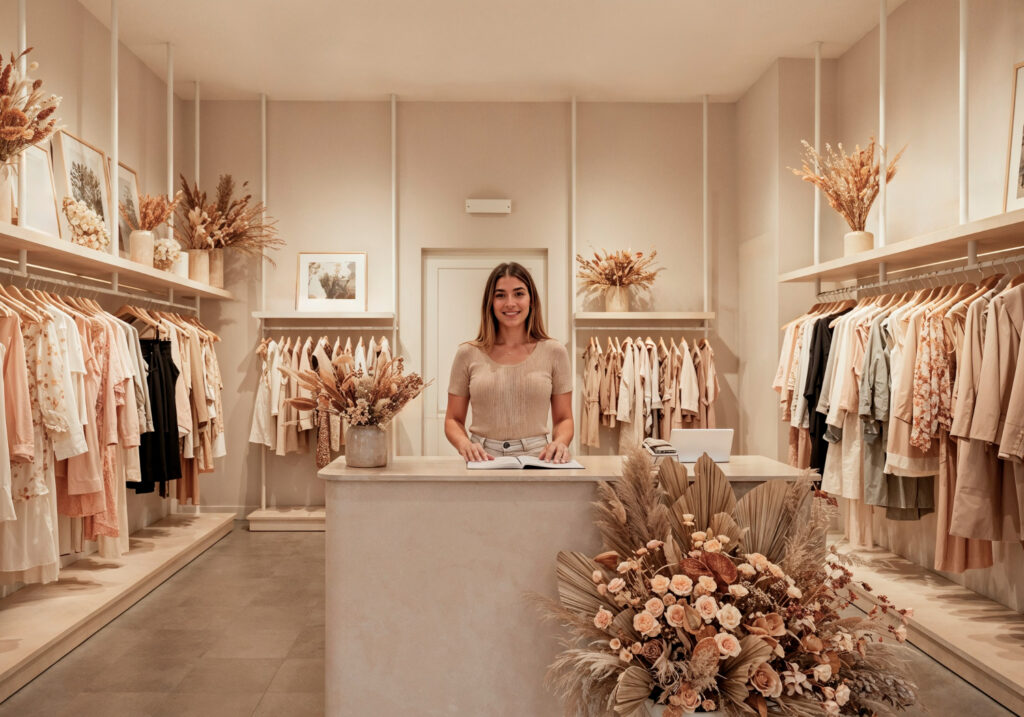
Retail Stores Interior Design: Driving Sales Through Smart Layouts
In retail, design directly impacts buying behavior. Strategic retail stores interior design influences how customers move through the space and interact with products.
Commercial interior designers carefully plan:
Customer flow pathways
Product display positioning
Lighting highlights for premium items
Visual merchandising zones
Checkout placement for impulse buying
Retail design blends psychology and aesthetics. For instance, premium brands use minimal layouts to create exclusivity, while supermarkets use grid layouts to maximize product exposure.
A well-designed retail store:
Increases footfall retention
Improves conversion rates
Strengthens brand recall
Encourages repeat visits
Design in retail isn’t decoration — it’s a sales strategy.
Key Elements of Successful Commercial Interior Design
No matter the industry, successful commercial interior designers focus on:
1. Space Planning
Efficient use of every square foot to maximize functionality.
2. Brand Alignment
Design that reflects company identity, color palette, and values.
3. Lighting Strategy
Combining natural and artificial lighting to enhance mood and usability.
4. Material Selection
Durable, low-maintenance, and premium-quality materials.
5. Technology Integration
Smart lighting, automation, and modern connectivity solutions.
Choosing the Right Commercial Interior Designers
When selecting commercial interior designers, consider:
Portfolio of completed commercial projects
Industry-specific expertise (restaurant, office, retail)
Knowledge of safety and compliance regulations
Ability to manage timelines and budgets
Transparent communication and project management
An experienced design team understands both creativity and business strategy — and that balance makes all the difference
Whether you are opening a restaurant or updating an office or starting a store working with good commercial interior designers makes sure your space works well looks great and helps your business grow.
Spending money on commercial interior design is a smart business move. When your inside space matches what your brand stands for and what your customers expect you create an edge, over others.
If you want your business to look top-notch, new and professional it is time to work with commercial interior designers and make your dream a reality.